
How Brit Properties Combines Direct Ownership with an Institutional Investment Philosophy
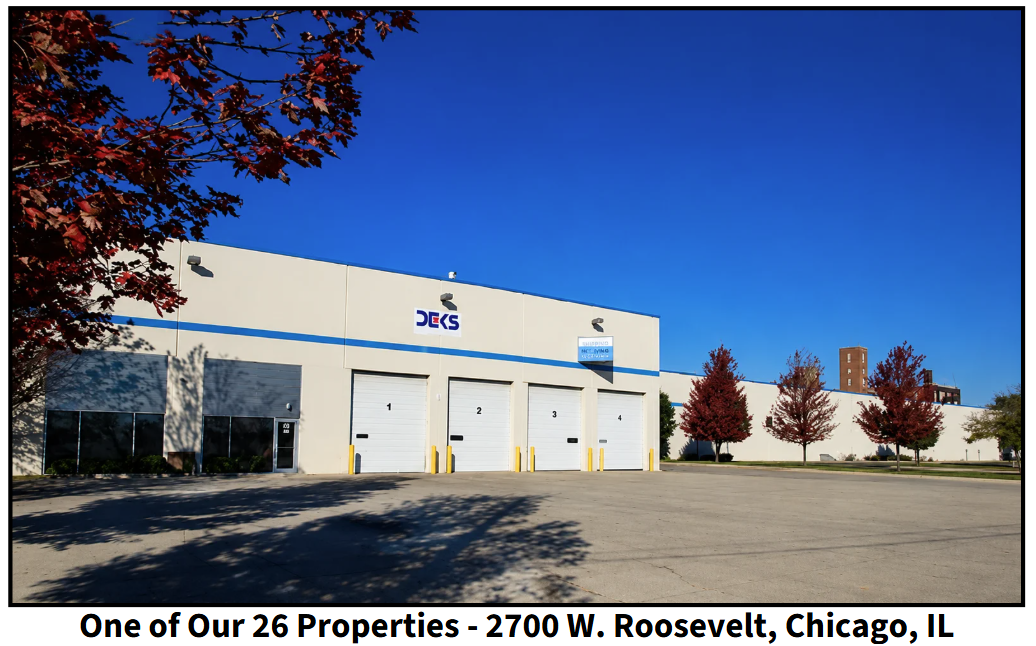
Joel Friedland and his team have spent the last 4 decades buying, operating, and selling industrial properties across Chicago, one of the most consistent industrial real estate markets in the country.
Direct Access, Real Ownership: Brit Properties operates on the syndication model. Investors with $50,000, or more, per investment hold a real percentage of the building. Unlike a fund, where your money merges into a pool managed at a distance, every Brit investment is an individual deal. You choose what deals you enter, you know exactly what you own, and you have direct access to us as operators.
Built to Weather Market Cycles: Typical real estate syndicators focus on higher leverage, shorter hold periods, and maximizing IRR. Brit Properties stands apart because we use little-to-no-debt. Some say real estate is a leverage game; we say it's an equity game. Joel has lived through enough downturns to know what happens when markets shift and distress ensues. Owning our buildings primarily with equity gives us the flexibility to add value, absorb vacancies, and weather market cycles. It's a model built on cash flow stability and peace of mind for investors – essentially unlimited staying power.
Operating With an Institutional Mindset: When looking at how Brit Properties and institutional investors operate, we see similarities. Both focus on obtaining quality assets, long-term relationships with investors, and producing consistent returns for their investors. Family offices, equity capital partners, and wealth funds have long found the industrial sector attractive for exactly these reasons. The Chicago industrial market's decades-long track record of consistency through multiple economic cycles is the kind of history institutions look for. It is a testament to the asset class, and to the approach we have taken since day-one, back in 1989.
